- May 24, 2026
- |Eventador
- |No Comments
Professional event planning has become an essential part of modern business growth and audience engagement in Saudi Arabia.
Today, businesses rely on conferences, exhibitions, activations, entertainment projects, and public events to improve visibility, customer relationships, and market positioning.
Successful event management depends on much more than booking venues or coordinating suppliers.
Professional event planning combines strategy, logistics, branding, production, audience engagement, staffing, and operational execution into one integrated process.
Without structured planning systems, businesses often face operational delays, technical problems, weak audience experiences, and branding issues.
Understanding the professional event planning process helps businesses improve execution quality, audience engagement, and event ROI.
What Is Professional Event Planning?
Professional event planning refers to the strategic process of organizing and managing events from concept development to operational execution and post-event evaluation.
Professional event management focuses heavily on operational efficiency, branding quality, audience engagement, and business objectives.
Main Types of Professional Events
Corporate Conferences
Corporate conferences improve networking and business positioning.
Exhibitions and Trade Shows
Exhibitions improve product visibility and customer interaction.
Brand Activations
Activations improve audience engagement and brand awareness.
Public and Entertainment Events
Public events increase audience reach and visibility.
Why Professional Event Planning Is Important
Professional planning improves operational organization and audience experience significantly.
Businesses that rely on structured event management often achieve better branding, engagement, and operational efficiency.
Main Benefits of Professional Event Planning
- Better operational organization
- Stronger branding
- Improved audience engagement
- Reduced operational risks
- Better logistics management
- Improved ROI measurement
- Stronger customer trust

Step 1: Strategic Event Planning
Every successful event begins with strategic planning and objective definition.
Professional event management companies first define event goals, audience targets, operational requirements, and branding strategies.
Strategic planning creates the foundation for all future operational decisions.
Important Areas During Strategic Planning
Defining Event Objectives
Businesses must define measurable and realistic goals.
Audience Analysis
Understanding audience behavior improves engagement strategies.
Budget Planning
Professional budgeting improves operational efficiency and cost control.
Venue Selection
Venue selection directly affects audience experience and logistics.
Step 2: Building the Event Concept and Experience
Modern events focus heavily on audience experience and emotional engagement.
Professional event planners build creative concepts aligned with business objectives and audience expectations.
Strong event concepts improve branding, audience memorability, and media exposure.
Important Elements of Event Experience Design
Visual Branding
Professional branding improves audience perception and visibility.
Interactive Experiences
Interactive activities improve audience engagement and participation.
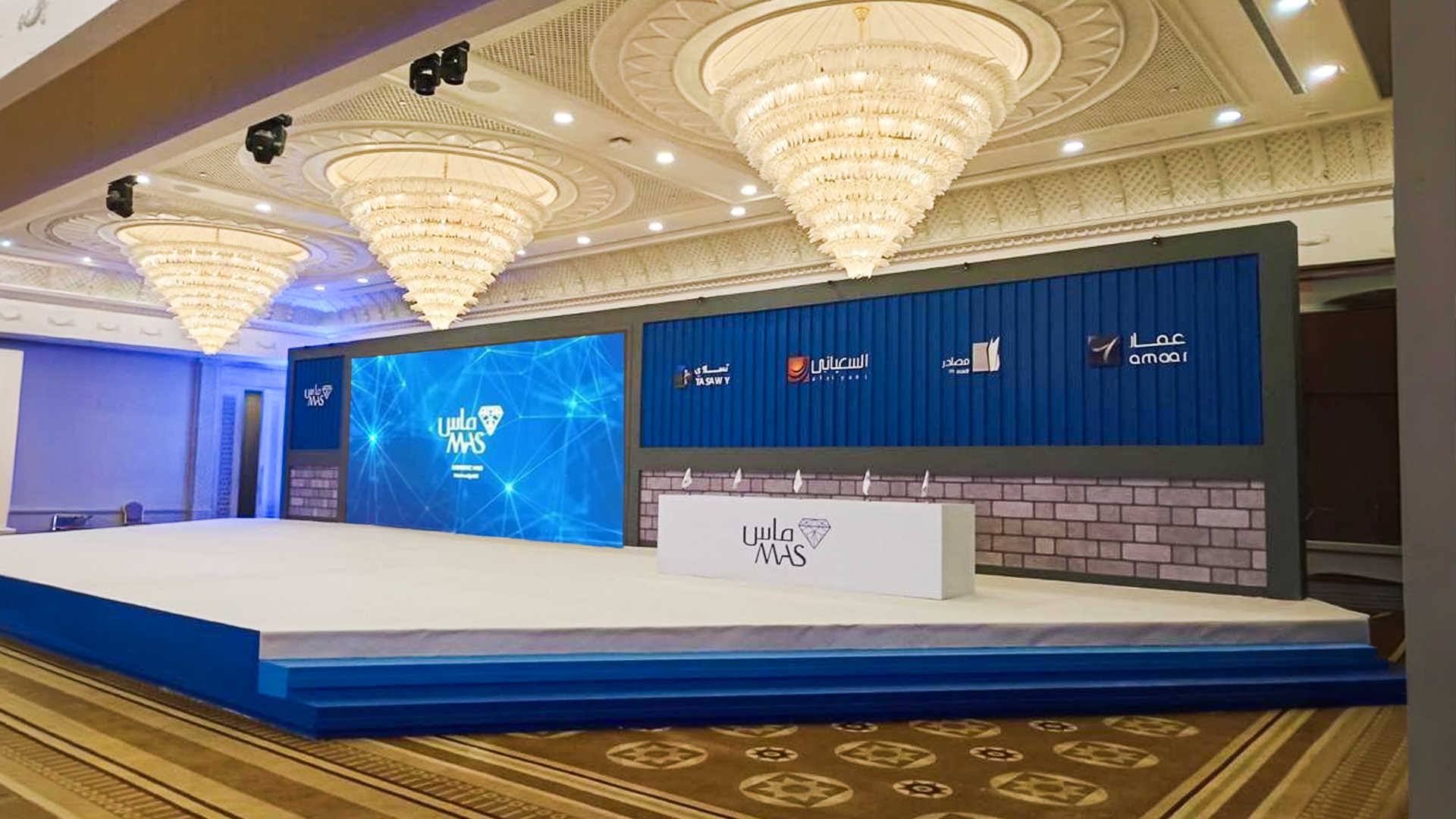
Stage Design and Production
Production quality affects audience experience significantly.
Audience Journey Planning
Professional audience flow improves event organization and satisfaction.
Step 3: Logistics and Operational Planning
Logistics management is one of the most important parts of professional event planning.
Large events require advanced coordination between suppliers, production teams, operational staff, and technical departments.
Professional event management companies create structured operational frameworks to ensure smooth execution.
Main Logistics Planning Areas
Supplier Coordination
Professional coordination reduces operational delays and risks.
Transportation Planning
Transportation systems affect setup schedules and operational flow.
Installation Scheduling
Structured scheduling improves operational organization.
Staffing Requirements
Businesses must define staffing requirements early.
Step 4: Branding and Marketing Execution
Branding and marketing are critical elements of successful event management.
Professional event management companies use strategic branding systems to improve visibility and audience engagement.
Important Branding and Marketing Areas
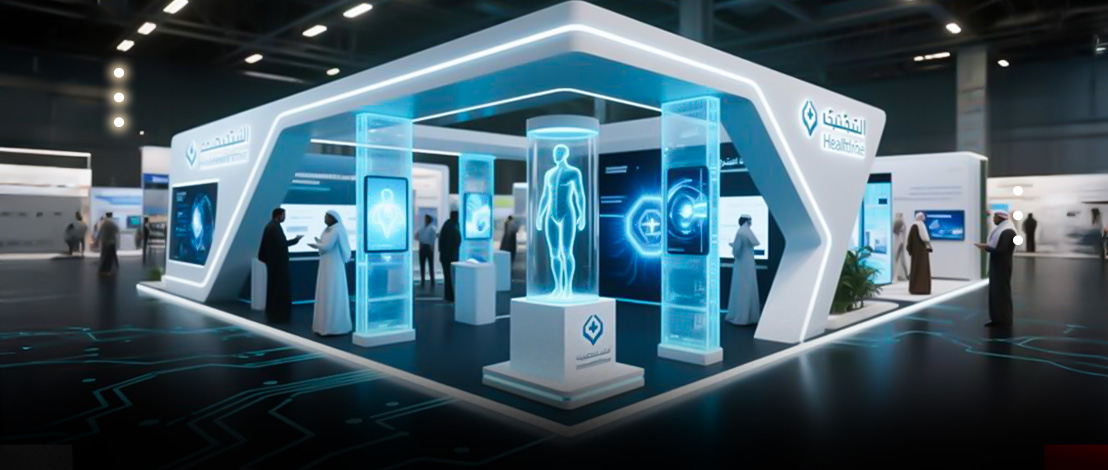
Exhibition Booth Design
Professional booth design improves audience interaction and visibility.
Social Media Campaigns
Digital campaigns increase audience awareness and participation.
Promotional Materials
Branded materials improve event professionalism and visibility.
Audience Registration Systems
Digital registration improves audience experience and organization.
Step 5: Production and Technical Execution
Production quality is one of the most important factors affecting event professionalism and audience experience.
Professional event management companies focus heavily on technical preparation and operational testing before live execution begins.
Large conferences, exhibitions, forums, and entertainment events require advanced production systems and technical coordination.
Important Production and Technical Areas
Sound Systems
Professional sound systems improve communication and audience engagement.
Lighting Systems
Lighting improves visual impact and stage experience.
LED Screens and Digital Displays
Digital displays improve branding visibility and audience communication.
Live Streaming Systems
Live streaming expands audience reach beyond physical attendance.
Technical Testing
Operational testing reduces technical failures during live events.
Step 6: Audience Management and Crowd Operations
Audience management is a critical operational responsibility in large-scale events.
Professional crowd management improves audience experience, operational flow, and safety standards.
Event management companies build structured operational systems to organize audience movement and engagement.
Important Crowd Management Areas
Entry and Exit Coordination
Professional coordination reduces congestion and improves audience movement.
Registration Management
Efficient registration systems improve operational organization.
Queue Management
Queue systems improve visitor comfort and audience experience.
Emergency Response Systems
Large events require operational emergency frameworks and backup systems.
Professional Event Operations in Riyadh
Riyadh hosts many of Saudi Arabia’s largest business events, exhibitions, and conferences.
Large corporate events in Riyadh require advanced logistics coordination and operational planning.
Professional event management companies in Riyadh focus heavily on production quality, audience engagement, and operational efficiency.
Operational Challenges in Riyadh Events
- Large audience capacity
- Traffic management
- Advanced production requirements
- Government regulations
- High operational expectations
Professional Event Operations in Jeddah
Jeddah is heavily connected to tourism events, hospitality experiences, and experiential marketing campaigns.
Businesses in Jeddah focus strongly on immersive audience experiences and premium branding quality.
Professional event planning helps businesses improve audience interaction and experiential engagement.
Important Elements in Jeddah Events
Hospitality Experiences
Hospitality-focused events require premium operational standards.
Outdoor Event Logistics
Outdoor events require stronger contingency planning.
Experiential Marketing Campaigns
Interactive campaigns improve audience engagement significantly.
Step 7: Technology Integration in Event Management
Technology has become one of the most important parts of professional event management.
Modern event companies increasingly rely on AI systems, audience analytics, digital registration tools, and interactive technologies.
Professional technology integration improves operational efficiency and audience engagement.
Technologies Used in Modern Events
AI Audience Analytics
AI systems improve audience insights and operational decisions.
Event Mobile Applications
Event apps improve communication and audience interaction.
QR Registration Systems
Digital registration improves audience flow and operational organization.
Live Streaming Platforms
Live streaming expands event visibility and audience reach.
Step 8: Post Event Evaluation and ROI Measurement
Professional event management does not end when the event finishes.
Post-event evaluation is essential for measuring operational success and business impact.
Businesses analyze audience engagement, branding performance, operational quality, and lead generation after each event.
Important Event KPIs
Audience Engagement
Engagement levels reflect audience satisfaction and participation.
Brand Visibility
Strong visibility improves market positioning and recognition.
Lead Generation
Events help businesses create valuable networking and sales opportunities.
Operational Efficiency
Operational reviews help improve future event planning.
Common Professional Event Planning Mistakes
Many businesses underestimate the complexity of professional event management.
Poor planning often creates operational delays, weak audience experiences, technical failures, and branding issues.
Common Event Planning Mistakes
Weak Logistics Planning
Poor logistics create delays and operational confusion.
Ignoring Audience Experience
Audience engagement is essential for successful events.
Weak Branding
Inconsistent branding reduces event memorability.
Lack of Technical Testing
Technical failures negatively affect audience trust and professionalism.
Future Trends in Professional Event Management
Saudi Arabia’s event industry is evolving rapidly through Vision 2030 projects and large-scale investments.
Businesses increasingly focus on audience engagement, immersive experiences, digital interaction, and AI-powered operations.
Professional event management companies continue adapting to changing audience expectations and operational standards.
Important Trends in Event Management
Experiential Marketing
Businesses increasingly focus on immersive audience experiences.
Hybrid Events
Hybrid events combine physical and virtual participation.
AI-Powered Event Operations
AI systems improve audience analytics and operational efficiency.
Sustainable Event Solutions
Eco-friendly operational strategies continue to grow rapidly.
Interactive Technologies
Interactive systems improve audience participation and engagement.
Why Professional Event Planning Improves Business Growth
Professional event management improves audience engagement, operational quality, and business credibility.
Businesses that organize professional conferences, exhibitions, activations, and public events often achieve stronger market visibility and customer loyalty.
Professional planning also improves branding effectiveness and long-term business positioning.
How Professional Events Support Business Growth
Better Audience Engagement
Professional experiences improve customer loyalty and interaction.
Stronger Brand Visibility
Professional branding improves market recognition and visibility.
Better Networking Opportunities
Events help businesses create strategic partnerships and connections.
Improved Business Credibility
Professional event execution improves audience trust significantly.
Why Eventador Is a Trusted Event Management Partner
Eventador provides integrated event management solutions for businesses across Saudi Arabia.
The company specializes in conferences, exhibitions, activations, entertainment projects, branding, crowd management, and operational execution.
Eventador focuses on operational excellence, audience engagement, strategic planning, and premium event experiences.
Eventador Services Include
- Event management
- Corporate event planning
- Conference management
- Exhibition booth design
- Booth fabrication
- Brand activation
- Crowd management
- Event staffing
- Media production
- Retail branding
- POS marketing
Conclusion
Professional event planning is one of the most important elements of successful business growth and audience engagement in Saudi Arabia.
Successful event management combines strategic planning, logistics coordination, branding, audience engagement, production quality, and operational excellence.
Businesses increasingly rely on conferences, exhibitions, activations, and entertainment events to improve visibility, customer relationships, and market positioning.
As Saudi Arabia continues to expand its event and entertainment industries through Vision 2030, businesses increasingly need professional event management partners capable of delivering premium audience experiences and measurable business value.
Frequently Asked Questions
What is professional event planning?
Professional event planning refers to managing events strategically from concept development to operational execution and evaluation.
Why is logistics planning important in events?
Logistics planning improves operational organization and reduces delays and technical issues.
How does technology improve event management?
Technology improves audience engagement, operational efficiency, analytics, and communication.
Why is audience engagement important?
Audience engagement improves customer loyalty and event effectiveness.
What are common event planning mistakes?
Common mistakes include weak logistics planning, poor branding, and lack of technical preparation.
Why should businesses hire professional event management companies?
Professional companies improve operational quality, branding, audience engagement, and event execution.
