- May 24, 2026
- |Eventador
- |No Comments
Many businesses in Saudi Arabia face an important decision when organizing conferences, exhibitions, activations, or corporate events.
Should the event be managed internally by the company’s team, or should a professional event management company handle the entire project?
Both approaches have advantages and operational challenges.
However, the complexity of modern events has made professional event management increasingly important for businesses seeking high-quality execution and strong audience experiences.
Modern event management includes logistics planning, branding, production, crowd management, audience engagement, staffing, and operational strategy.
This article compares professional event management services with in-house planning to help businesses choose the right approach for their goals.
What Is Professional Event Management?
Professional event management refers to hiring specialized companies to plan, organize, and execute events professionally.
These companies manage operational planning, logistics, staffing, production, branding, and technical coordination.
Professional event management companies typically work on exhibitions, conferences, activations, entertainment events, and government projects.
Core Services Provided by Event Management Companies
Event Planning and Strategy
Professional planners create operational frameworks aligned with business objectives.
Logistics Management
Logistics planning includes transportation, supplier coordination, scheduling, and operational execution.
Event Branding
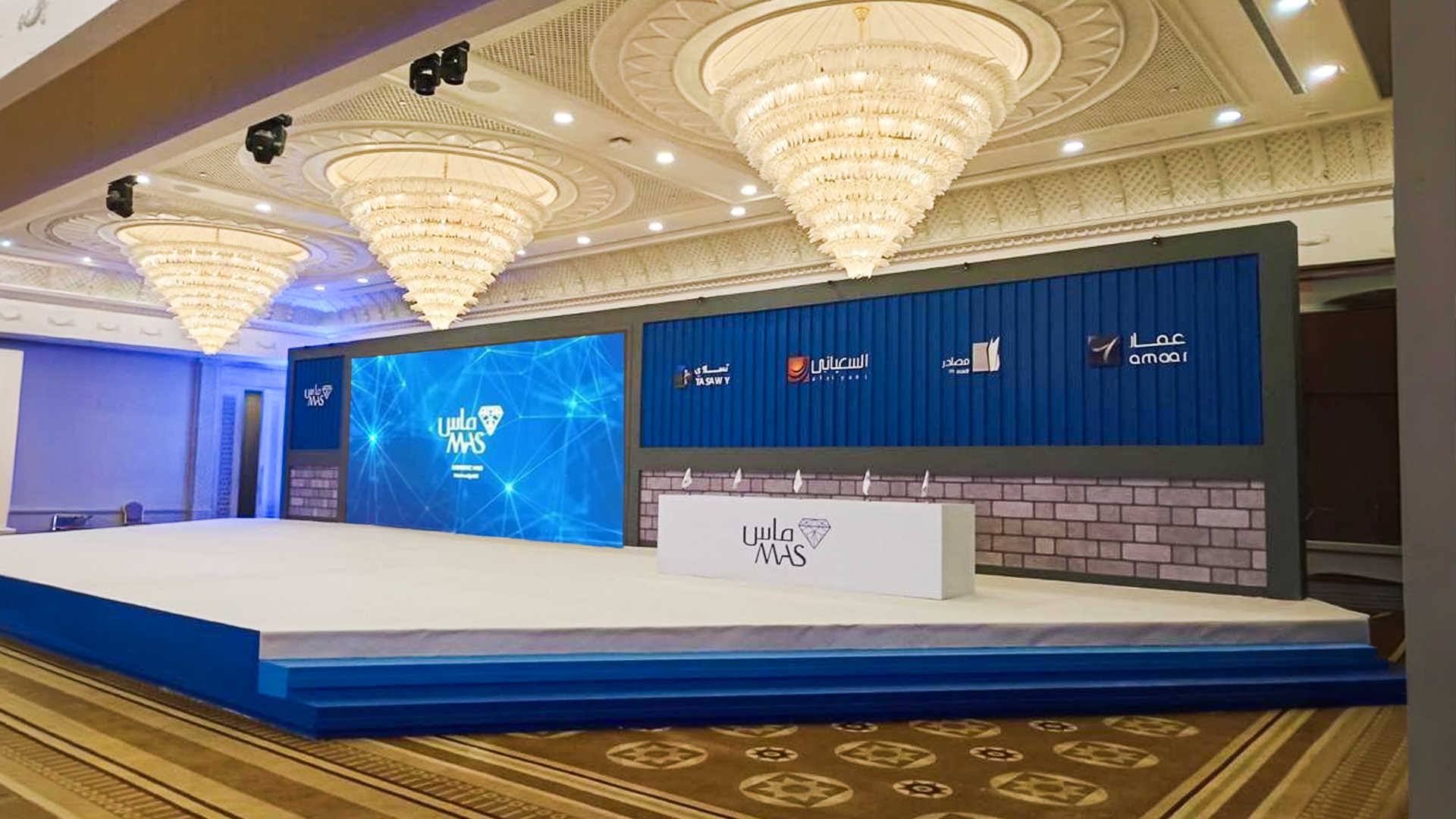
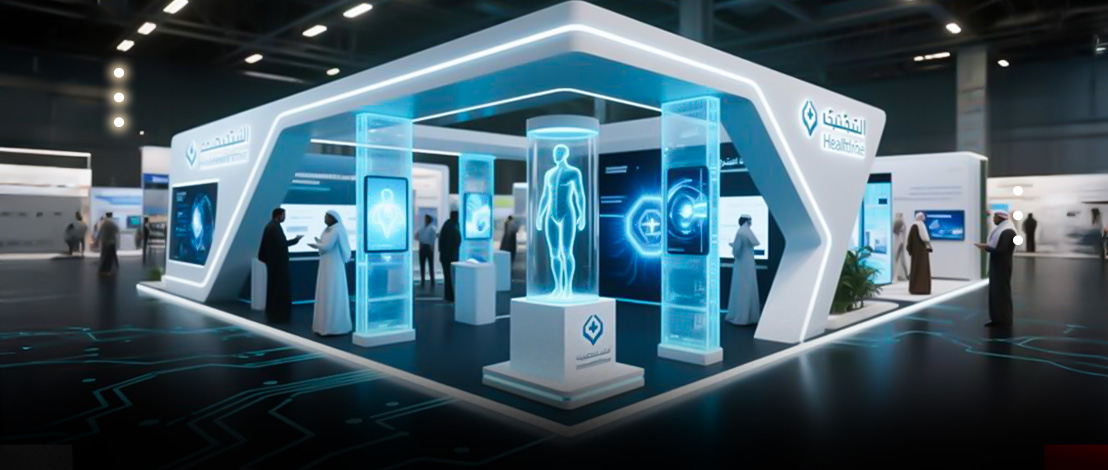
Branding includes exhibition booth design, signage systems, digital displays, and visual experiences.
Event Staffing
Professional staffing improves audience support and operational organization.
Technical Production
Production includes sound systems, lighting, stage setup, and live broadcasting.
What Is In House Event Planning?
In-house event planning refers to managing events using internal company teams instead of hiring external event specialists.
Some businesses prefer internal planning to maintain direct operational control or reduce outsourcing costs.
Internal teams may coordinate venues, suppliers, branding materials, and audience communication themselves.
Why Some Companies Choose In House Planning
Existing Internal Resources
Some organizations already have marketing and operations teams capable of handling smaller events.
Full Internal Control
Businesses may prefer direct oversight over planning and execution.
Familiarity With Brand Guidelines
Internal teams often understand company branding and communication styles well.
Budget Considerations
Some businesses initially believe internal planning may reduce costs.

Key Differences Between Professional Event Management and In House Planning
Modern events involve many operational layers that require expertise and coordination.
The main differences between professional event management and internal planning often appear in execution quality, logistics, production, staffing, and audience experience.
Comparison 1: Operational Experience
Professional event companies usually have extensive operational experience across multiple industries and event types.
Internal teams may lack experience in handling complex event operations or large audiences.
Advantages of Professional Operational Experience
- Faster execution
- Better operational planning
- Reduced delays
- Stronger logistics coordination
- Better crisis management
- Improved technical preparation
Comparison 2: Logistics Management
Logistics management is one of the most difficult parts of event execution.
Professional event management companies already have structured systems for transportation, scheduling, supplier coordination, and setup operations.
Internal teams may struggle with operational coordination during large-scale events.
Logistics Areas That Require Expertise
Supplier Coordination
Professional companies manage suppliers efficiently and reduce operational conflicts.
Transportation Management
Transportation planning improves setup timing and operational flow.
Installation and Dismantling
Professional scheduling reduces delays and operational pressure.
Comparison 3: Audience Experience
Audience experience is one of the most important indicators of event success.
Professional event management companies focus heavily on audience engagement and visitor satisfaction.
Internal planning teams may focus more on operations than audience psychology and experiential engagement.
Elements That Improve Audience Experience
- Fast registration systems
- Interactive experiences
- Clear venue navigation
- Professional event staffing
- Live audience engagement
- Branded event environments
Comparison 4: Event Branding Quality
Professional event planners understand how branding influences event memorability and audience perception.
Strong branding creates more immersive and professional experiences.
Key Branding Elements
- Exhibition booth design
- Stage branding
- Digital displays
- Roll-up banners
- Interactive installations
- Promotional materials
Comparison 5: Cost Efficiency and Budget Control
Many businesses assume that in-house event planning is always more affordable than hiring professional event management companies.
However, the reality is often more complex.
Internal planning can create hidden operational costs related to delays, coordination issues, supplier inefficiencies, and technical problems.
Professional event management companies help businesses optimize budgets strategically while improving operational efficiency.
Hidden Costs of In House Planning
Operational Delays
Lack of experience can lead to scheduling issues and execution delays.
Technical Problems
Weak technical preparation often creates operational disruptions during live events.
Supplier Coordination Issues
Managing multiple suppliers internally can increase operational pressure.
Staffing Challenges
Internal teams may struggle with audience management and operational supervision.
Comparison 6: Event ROI and Business Value
Professional event management focuses heavily on measurable business results and audience engagement.
Professional planners understand how to align events with branding, networking, lead generation, and marketing objectives.
Internal teams may focus primarily on operational completion instead of strategic business value.
How Professional Event Management Improves ROI
Better Audience Engagement
Interactive experiences improve audience participation and brand connection.
Stronger Branding
Professional branding improves visibility and memorability.
Better Networking Opportunities
Well-organized events improve professional relationships and partnerships.
Improved Media Exposure
Professional production increases media quality and online visibility.
Comparison 7: Technology and Innovation
Modern event management companies rely heavily on technology and digital systems.
Technology improves registration, audience analytics, operational efficiency, and communication.
Internal planning teams may not always have access to advanced event technologies.
Technologies Used by Professional Event Companies
QR Registration Systems
QR systems improve audience flow and reduce waiting times.
AI Analytics
AI systems help analyze audience behavior and event performance.
Live Streaming Platforms
Live streaming expands event reach beyond physical attendance.
Interactive Technologies
Interactive systems improve audience engagement and experience quality.
Comparison 8: Government and Large Scale Events
Government events and large-scale public projects require highly advanced operational capabilities.
These events involve complex logistics, crowd management, security coordination, and protocol management.
Professional event management companies are generally better equipped to handle these operational demands.
Key Requirements for Large Scale Events
- Crowd management
- Security coordination
- VIP management
- Technical infrastructure
- Operational precision
- Emergency planning
Event Planning in Riyadh vs Internal Operations
Riyadh hosts some of the largest conferences, exhibitions, and entertainment events in Saudi Arabia.
Large-scale projects in Riyadh usually require professional operational systems and advanced execution teams.
Internal teams may struggle with logistics complexity and audience management in high-capacity events.
Why Riyadh Events Often Require Professional Event Companies
- High audience density
- Large venues
- Advanced production systems
- Government regulations
- Competitive event standards
Event Planning in Jeddah and Experiential Marketing
Professional event planners help businesses create stronger audience experiences in highly competitive markets.
Jeddah is heavily connected to tourism events, hospitality conferences, and experiential marketing campaigns.
Why Branding Matters More in Jeddah Events
Tourism Audiences
Tourism audiences expect immersive and visually engaging experiences.
Hospitality Standards
Hospitality events require premium operational quality and branding.
Experiential Campaigns
Experiential marketing campaigns rely heavily on audience interaction.
Common Mistakes Businesses Make With In House Planning
Many businesses underestimate the complexity of professional event management.
This often creates operational issues and weak audience experiences.
Common In House Planning Mistakes
Weak Operational Planning
Poor planning creates delays and operational confusion.
Limited Technical Expertise
Technical failures reduce audience satisfaction and professionalism.
Poor Audience Management
Weak crowd organization negatively affects event experience.
Overloading Internal Teams
Internal employees may struggle to balance daily responsibilities with event operations.
Which Option Is Better for Modern Businesses?
The right choice depends on event size, operational complexity, audience expectations, and business goals.
Small internal meetings may sometimes be handled by internal teams successfully.
However, conferences, exhibitions, activations, entertainment events, and large-scale public projects often require professional event management expertise.
Modern audiences expect professional experiences, smooth operations, advanced branding, and interactive engagement.
This is why many businesses in Saudi Arabia increasingly prefer working with specialized event management companies.
When In House Planning May Work
Internal event planning may work well in certain situations.
Businesses with strong operational teams and smaller event requirements may successfully manage limited projects internally.
Situations Suitable for Internal Planning
Small Internal Meetings
Small employee meetings often require limited operational complexity.
Low Audience Capacity
Events with smaller audiences are generally easier to manage internally.
Minimal Production Requirements
Simple events may not require advanced technical production systems.
Existing Internal Expertise
Some companies already have experienced operations and marketing teams.
When Professional Event Management Is the Better Choice
Professional event management becomes essential when operational complexity increases.
Large-scale conferences, exhibitions, activations, entertainment projects, and government events require advanced expertise and operational systems.
Events That Usually Require Professional Event Companies
Conferences and Summits
Large business conferences require logistics coordination and audience management.
Exhibitions and Booth Activations
Exhibitions require booth fabrication, branding, production, and operational planning.
Entertainment Events
Entertainment events involve crowd management and advanced production systems.
Government Projects
Government events require protocol coordination and operational precision.
Why Audience Expectations Have Changed
Modern audiences expect more immersive and interactive event experiences than ever before.
Traditional event formats are no longer enough to maintain attention and engagement.
Professional event management companies understand how to create engaging audience journeys and memorable brand experiences.
Modern Audience Expectations
- Interactive experiences
- Digital engagement
- Fast registration systems
- High production quality
- Professional branding
- Smooth event operations
The Role of AI and Technology in Event Management
Technology is transforming the event management industry rapidly.
Professional event companies increasingly rely on AI systems and digital technologies to improve audience engagement and operational efficiency.
Technologies Used in Modern Event Management
AI Audience Analytics
AI tools help analyze visitor behavior and event performance.
QR Registration Systems
QR systems improve registration speed and audience flow.
Live Streaming Solutions
Live streaming expands event visibility and accessibility.
Interactive Technologies
Interactive displays improve audience participation and engagement.
Why Eventador Is a Trusted Event Management Partner
Eventador provides integrated event management solutions for conferences, exhibitions, activations, entertainment projects, and corporate events across Saudi Arabia.
The company focuses on operational excellence, audience engagement, branding quality, logistics management, and professional execution.
Eventador Services Include
- Event management
- Corporate event planning
- Conference management
- Exhibition booth design
- Booth fabrication
- Crowd management
- Event staffing
- Media production
- Brand activation
- POS marketing
Conclusion
The comparison between professional event management and in-house planning depends largely on operational complexity, audience expectations, and business objectives.
While internal planning may work for smaller events, large-scale conferences, exhibitions, and activations usually require professional expertise and operational systems.
Professional event management companies help businesses improve branding, audience engagement, operational efficiency, and overall event quality.
As the Saudi event industry continues to grow rapidly, businesses increasingly need strategic event partners capable of delivering high-quality experiences and measurable results.
Frequently Asked Questions
What is the difference between event management and in-house planning?
Professional event management involves hiring specialized companies, while in-house planning is managed internally by company teams.
Which option is better for large events?
Professional event management is usually better for conferences, exhibitions, activations, and large-scale projects.
Why do businesses hire professional event companies?
Professional companies improve logistics, branding, audience engagement, production, and operational efficiency.
Can internal teams manage events successfully?
Yes, smaller events with limited operational complexity may be managed internally.
Why is audience experience important in events?
Audience experience directly affects branding, engagement, and overall event success.
What technologies are used in modern event management?
Modern event management uses AI analytics, QR systems, live streaming, and interactive technologies.
