- May 18, 2026
- |Eventador
- |No Comments
Corporate events have become one of the most important tools businesses use to strengthen branding, improve communication, increase audience engagement, and support business growth.
Today, businesses in Saudi Arabia rely heavily on conferences, exhibitions, networking events, product launches, and internal corporate events to create professional business experiences.
However, successful corporate event planning requires much more than simply booking a venue or inviting guests.
Professional event planning includes strategic thinking, logistics management, branding, production, audience engagement, staffing, and operational execution.
Businesses that follow structured event planning strategies often achieve stronger ROI and better audience experiences.
What Is Corporate Event Planning?
Corporate event planning refers to the strategic organization and execution of professional events for businesses and organizations.
These events are designed to support branding, communication, networking, employee engagement, sales, and business development.
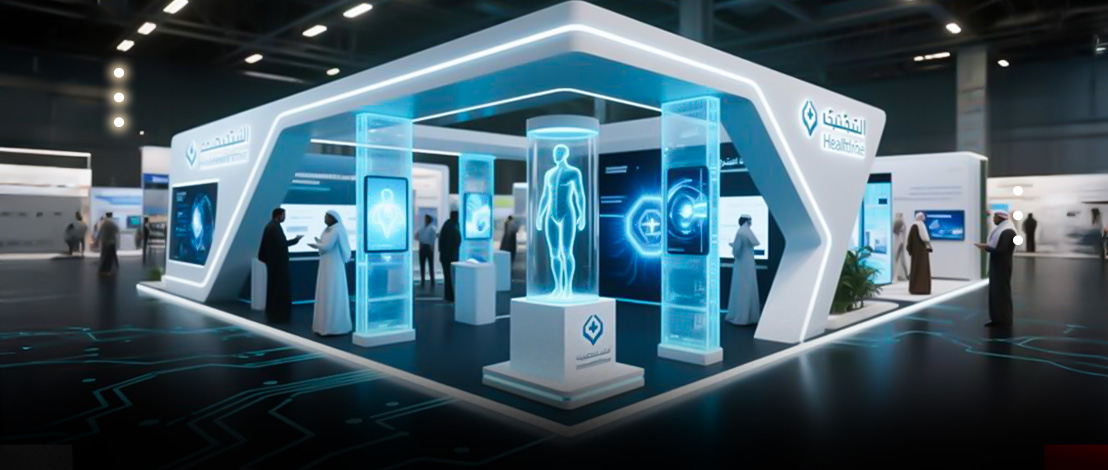
Common Types of Corporate Events
Business Conferences
Business conferences help organizations share knowledge, strengthen partnerships, and improve industry positioning.
Product Launch Events
Product launches create excitement around new services and products.
Networking Events
Networking events help businesses connect with clients, investors, and industry professionals.
Internal Corporate Events
Internal events improve employee engagement and strengthen company culture.
Award Ceremonies
Award ceremonies recognize achievements and strengthen employee motivation.
Why Corporate Event Planning Is Important
Corporate events play a major role in improving brand visibility and business relationships.
Professional event planning also improves audience experience and operational organization.
Key Benefits of Corporate Events
- Stronger brand visibility
- Better audience engagement
- Improved networking opportunities
- Employee motivation
- Increased customer trust
- Higher business credibility
Step 1: Define Event Goals and Objectives
Every successful corporate event starts with clear strategic objectives.
Businesses should define exactly what they want to achieve before planning operational details.
Common Corporate Event Objectives
- Brand awareness
- Product promotion
- Networking opportunities
- Customer engagement
- Employee engagement
- Lead generation
- Media exposure
Defining measurable goals helps businesses evaluate event success later.
Step 2: Understand Your Target Audience
Understanding audience behavior is essential for successful event planning.
Different audiences require different event experiences, communication styles, and operational approaches.
Questions Businesses Should Ask
- Who will attend the event?
- What are their interests?
- What type of experience do they expect?
- What motivates audience engagement?
- What communication channels should be used?
Audience analysis improves branding, engagement strategies, and operational planning.
Step 3: Set a Realistic Event Budget
Budget planning is one of the most important parts of corporate event planning.
Professional budgeting helps businesses balance operational quality and financial efficiency.

Main Event Budget Categories
Venue Costs
Venue size and location affect operational requirements and event planning.
Production Costs
Production includes lighting systems, sound systems, LED screens, and stage setup.
Branding Costs
Branding materials include signage, booth design, banners, and promotional displays.
Staffing Costs
Operational teams include ushers, registration staff, promoters, and technical operators.
Logistics Costs
Logistics include transportation, supplier coordination, scheduling, and setup operations.
Step 4: Choose the Right Venue
Venue selection directly affects audience experience and operational quality.
Businesses should choose venues based on audience size, accessibility, branding opportunities, and operational requirements.
Important Venue Selection Factors
- Accessibility
- Parking availability
- Technical infrastructure
- Audience capacity
- Branding opportunities
- Safety systems
- Location convenience
Step 5: Develop Event Branding and Identity
Strong branding transforms corporate events into memorable business experiences.
Professional event branding improves audience engagement and strengthens business credibility.
Key Event Branding Elements
- Exhibition booth design
- Event signage
- Roll-up banners
- Digital displays
- Stage branding
- Promotional materials
- Interactive installations
Consistent branding creates stronger audience recall and better visual experiences.
Step 6: Create an Event Timeline and Operational Plan
Professional event execution depends heavily on detailed operational planning.
Businesses should create structured timelines covering setup, operations, audience flow, and dismantling phases.
Key Operational Planning Areas
- Supplier coordination
- Installation schedules
- Technical testing
- Audience management
- Staff coordination
- Emergency planning
Step 7: Build a Strong Logistics and Operations Plan
Logistics management is one of the most critical parts of successful corporate event planning.
Even the best event concepts can fail without professional operational planning and execution.
Professional event management companies create detailed operational systems that ensure smooth execution before, during, and after the event.
Main Logistics Responsibilities
Supplier Coordination
Event suppliers must be coordinated carefully to avoid delays and operational conflicts.
Transportation Management
Transportation planning includes equipment delivery, booth transportation, and operational logistics.
Setup and Dismantling
Installation schedules should be organized clearly before the event begins.
Technical Preparation
Technical systems must be tested before live operations start.
Step 8: Plan Event Staffing Professionally
Professional event staffing directly impacts audience experience and operational organization.
Well-trained teams improve communication, audience support, crowd movement, and operational efficiency.
Common Event Staffing Roles
Event Ushers
Event ushers help visitors navigate the venue and support attendees.
Registration Teams
Registration teams manage attendee check-in and operational coordination.
Brand Promoters
Promoters improve audience engagement and brand interaction.
Technical Operators
Technical operators manage audiovisual systems and production equipment.
Crowd Management Teams
Crowd management teams improve safety and audience organization.
Step 9: Focus on Audience Experience and Engagement
Modern corporate events are no longer only about presentations and speeches.
Today, businesses focus heavily on creating engaging and memorable experiences.
Audience experience directly affects brand perception and event success.
Ways to Improve Audience Engagement
Interactive Experiences
Interactive experiences increase participation and emotional engagement.
Networking Opportunities
Networking sessions improve communication between attendees.
Live Demonstrations
Live demonstrations improve audience attention and interaction.
Social Media Engagement
Social sharing zones increase online visibility and audience participation.
Step 10: Develop an Event Marketing Strategy
Even the best corporate event can fail without proper marketing and audience communication.
Professional event marketing increases attendance, audience awareness, and business visibility.
Main Event Marketing Channels
Social Media Marketing
Platforms like Instagram, LinkedIn, TikTok, Snapchat, and X are widely used for event promotion.
Influencer Marketing
Influencers help increase event visibility and audience reach.
Email Campaigns
Email campaigns remain highly effective for corporate event invitations and communication.
Paid Advertising
Paid ads improve audience targeting and event awareness.
Step 11: Manage Event Production Professionally
Production quality significantly affects audience experience and event professionalism.
Professional event production includes sound systems, lighting, screens, stage setup, and visual experiences.
Main Production Elements
Sound Systems
Professional sound systems improve communication and audience comfort.
Lighting Systems
Lighting design improves visual quality and audience immersion.
LED Screens
Digital screens improve branding and audience communication.
Stage Setup
Stage design should align with the event identity and audience expectations.
Step 12: Prepare Risk Management and Emergency Plans
Professional event planning always includes emergency preparedness and operational backup systems.
Large-scale events require detailed risk management frameworks to maintain operational safety.
Common Event Risks
- Technical failures
- Crowd congestion
- Delayed suppliers
- Security issues
- Operational delays
- Weather conditions for outdoor events
Professional event management companies prepare backup plans for operational continuity.
Step 13: Use Technology and AI Solutions
Technology has become essential for modern corporate event planning.
Digital systems improve efficiency, registration, communication, and audience analytics.
Important Event Technologies
- QR registration systems
- Mobile event applications
- AI audience analytics
- Live streaming platforms
- Interactive displays
- Digital ticketing systems
Technology improves operational efficiency and audience experience simultaneously.
Step 14: Measure Event Performance and ROI
Businesses should evaluate event success using measurable KPIs and operational analysis.
Professional event reporting helps businesses improve future event planning.
Important Event KPIs
- Attendance numbers
- Audience engagement
- Lead generation
- Social media reach
- Visitor satisfaction
- Operational efficiency
Corporate Event Planning in Riyadh
Riyadh has become one of the largest corporate event destinations in Saudi Arabia and the Middle East.
The city hosts business conferences, leadership summits, exhibitions, networking events, and large-scale corporate activations throughout the year.
Professional corporate event planning in Riyadh requires advanced logistics, operational precision, and strong audience engagement strategies.
Why Riyadh Is Important for Corporate Events
Strong Business Environment
Riyadh is home to major corporations, government entities, and international business organizations.
Major Conferences and Summits
The city hosts many strategic business events and international conferences.
High Audience Density
Large audiences increase networking opportunities and event visibility.
Government Support
Saudi Vision 2030 continues to support growth in conferences and event industries.
Corporate Event Planning in Jeddah
Jeddah is one of Saudi Arabia’s most important cities for exhibitions, tourism events, and hospitality conferences.
Businesses organizing corporate events in Jeddah often focus heavily on branding and audience experience.
Key Opportunities for Corporate Events in Jeddah
- Hospitality conferences
- Tourism exhibitions
- Retail activations
- International networking events
- Brand launch campaigns
Jeddah’s diverse audience makes it ideal for experiential marketing and audience engagement campaigns.
Corporate Events in Dammam and Eastern Province
The Eastern Province is one of Saudi Arabia’s leading business and industrial hubs.
Corporate events in Dammam and Khobar are often connected to industrial sectors, oil and gas industries, and B2B networking.
Common Corporate Events in Eastern Province
Industrial Conferences
Industrial conferences require strong technical operations and logistics management.
Business Networking Events
Networking events improve partnerships and business opportunities.
Product Launches
Product launch events improve market visibility and customer engagement.
Government Corporate Events
Government corporate events require advanced operational systems and strict organizational standards.
These events often involve protocol coordination, VIP management, security operations, and media coverage.
Key Requirements for Government Corporate Events
- Security coordination
- Operational precision
- Audience management
- VIP logistics
- Media production
- Live broadcasting systems
Professional event management companies play a major role in ensuring smooth execution for government events.
Why Audience Engagement Is Critical in Corporate Events
Audience engagement is one of the biggest indicators of event success.
Modern audiences expect interactive and immersive experiences instead of traditional event formats.
Effective Audience Engagement Strategies
Interactive Activities
Interactive zones improve participation and audience attention.
Live Demonstrations
Live demonstrations create stronger emotional engagement.
Social Media Experiences
Social sharing areas increase online visibility and digital reach.
Gamification
Gamification techniques improve audience participation and retention.
Measuring Corporate Event ROI
Professional corporate events should always be evaluated using measurable business KPIs.
Businesses that measure event ROI can improve future planning and operational efficiency.
Important Corporate Event KPIs
Attendance Rate
Attendance numbers indicate event reach and audience interest.
Audience Satisfaction
Feedback and surveys help evaluate audience experience quality.
Lead Generation
Corporate events often generate valuable sales and networking opportunities.
Brand Visibility
Professional branding improves visibility and market positioning.
Common Corporate Event Planning Mistakes
Many businesses underestimate the operational complexity of corporate event management.
This often creates organizational problems and weak audience experiences.
Common Planning Mistakes
Weak Operational Planning
Poor planning often causes delays and execution problems.
Ignoring Audience Experience
Audience engagement is essential for successful events.
Focusing Only on Budget
Reducing costs excessively may affect operational quality.
Lack of Technical Preparation
Technical failures negatively affect audience trust and event professionalism.
Why Eventador Is a Trusted Corporate Event Partner
Eventador provides integrated corporate event planning and management solutions across Saudi Arabia.
The company specializes in conferences, exhibitions, activations, operational management, branding, and audience engagement.
Eventador Corporate Event Services
- Corporate event management
- Conference management
- Exhibition booth design
- Booth fabrication
- Brand activation
- Crowd management
- Event staffing
- Media production
- Retail branding
- POS marketing
Conclusion
Corporate event planning is a strategic process that requires operational expertise, branding excellence, audience engagement, and professional execution.
Businesses in Saudi Arabia increasingly rely on professional event management companies to create memorable experiences and measurable business results.
Successful corporate events improve brand visibility, strengthen relationships, increase engagement, and support long-term business growth.
Frequently Asked Questions
What is corporate event planning?
Corporate event planning involves organizing and executing professional events for businesses and organizations.
Why are corporate events important?
Corporate events improve branding, networking, audience engagement, and business communication.
What are the main steps in event planning?
The main steps include defining goals, budgeting, logistics planning, staffing, branding, production, and audience management.
How can businesses improve audience engagement?
Businesses can improve engagement through interactive experiences, live demonstrations, networking sessions, and social media activities.
Why is logistics planning important?
Logistics planning improves operational efficiency and reduces execution risks.
What technologies are used in corporate events?
Modern events use QR systems, AI analytics, mobile apps, live streaming, and interactive displays.
