- May 24, 2026
- |Eventador
- |No Comments
Organizing successful events requires much more than booking a venue and inviting attendees.
Modern events depend heavily on strategic planning, logistics management, branding, production quality, audience engagement, and operational coordination.
Unfortunately, many businesses underestimate the complexity of professional event management.
This often leads to operational problems, weak audience experiences, branding issues, and unnecessary costs.
Understanding the most common event planning mistakes helps businesses improve event quality and operational performance.
Why Event Planning Mistakes Can Damage Businesses
Poorly organized events can negatively impact audience trust and brand reputation.
Operational failures, technical problems, and poor audience experiences often create long-term reputational damage.
Professional event management focuses on reducing operational risks and improving execution quality.
Common Consequences of Poor Event Planning
- Audience dissatisfaction
- Operational delays
- Weak branding
- Technical failures
- Negative audience feedback
- Financial losses
- Reduced business credibility
Mistake 1: Lack of Clear Event Objectives
One of the most common event planning mistakes is starting execution without defining clear objectives.
Businesses often focus only on operational details while ignoring strategic goals.
Professional event planning always begins with defining measurable business objectives.
Why Clear Objectives Matter
Clear objectives improve decision-making, budgeting, branding, and audience engagement strategies.
Examples of Event Objectives
Brand Awareness
Events can improve visibility and audience recognition.
Lead Generation
Conferences and exhibitions help businesses generate new opportunities.
Networking
Professional events improve business partnerships and communication.
Audience Engagement
Interactive experiences improve customer engagement and satisfaction.
Mistake 2: Weak Budget Planning
Many businesses underestimate the importance of strategic event budgeting.
Poor budgeting often creates operational issues, production compromises, and unexpected costs.
Professional event management companies optimize budgets strategically without compromising operational quality.
Common Budgeting Mistakes
Ignoring Hidden Costs
Unexpected logistics or production costs may appear during execution.
Over-Focusing on Cost Reduction
Cheap solutions often reduce audience experience quality.
Weak Resource Allocation
Poor allocation affects production, branding, and staffing quality.
Mistake 3: Poor Logistics Management
Logistics management is one of the most complex areas of event planning.
Weak logistics planning can create delays, supplier conflicts, technical issues, and operational confusion.
Professional event planners build detailed operational frameworks before execution begins.
Logistics Areas Often Mismanaged
Supplier Coordination
Poor supplier communication creates operational conflicts.
Transportation Planning
Weak transportation management causes delays and setup issues.
Installation Scheduling
Improper setup schedules create operational pressure.
Technical Preparation
Technical systems must be tested before event operations begin.
Mistake 4: Ignoring Audience Experience
Audience experience is one of the biggest factors affecting event success.
Many companies focus heavily on operations while ignoring visitor engagement and comfort.
Modern audiences expect immersive, interactive, and professionally organized experiences.
Common Audience Experience Problems
- Long registration queues
- Weak event navigation
- Poor seating arrangements
- Technical interruptions
- Weak audience engagement
- Unclear communication
Professional event management focuses heavily on audience satisfaction and engagement.
Mistake 5: Weak Event Branding
Branding plays a major role in audience perception and event memorability.
Weak branding creates disconnected and unprofessional experiences.
Professional event branding improves visibility, engagement, and brand positioning.
Important Event Branding Elements
- Exhibition booth design
- Stage branding
- Roll-up banners
- Digital displays
- Interactive installations
- Promotional materials
Mistake 6: Lack of Professional Staffing
Poor staffing can negatively affect audience flow and operational quality.
Professional event staff improve communication, organization, and visitor support.
Common Staffing Problems
Weak Crowd Management
Poor audience organization creates congestion and operational pressure.
Lack of Technical Support
Technical problems become more difficult without trained operators.
Poor Communication
Untrained staff may struggle to support attendees effectively.
Mistake 7: Ignoring Technology and Digital Solutions
Modern event management depends heavily on technology and digital systems.
Businesses that ignore event technology often struggle with operational inefficiencies and weak audience engagement.
Professional event planners use advanced systems to improve registration, communication, analytics, and audience experiences.
Common Technology Mistakes in Events
Manual Registration Systems
Manual registration creates delays and audience frustration.
Weak Internet Infrastructure
Poor connectivity negatively affects operations and digital experiences.
Lack of Audience Analytics
Without analytics, businesses lose valuable event insights.
Ignoring Interactive Technologies
Interactive systems improve engagement and audience participation.
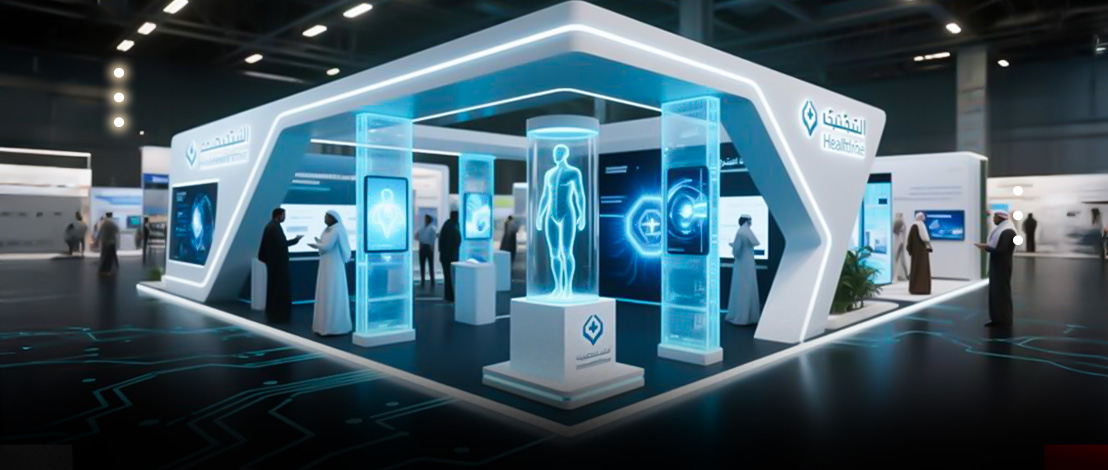
Mistake 8: Weak Event Production Quality
Production quality directly affects audience perception and event professionalism.
Poor lighting, weak sound systems, and technical failures reduce audience satisfaction significantly.
Professional event management companies prioritize production quality to create immersive audience experiences.
Common Event Production Problems
Poor Sound Systems
Weak audio systems negatively affect communication and audience comfort.
Inadequate Lighting
Poor lighting reduces visual quality and stage impact.
Weak Stage Design
Unprofessional stage setups reduce event credibility.
Technical Failures During Live Events
Technical interruptions damage audience trust and engagement.
Mistake 9: Poor Crowd Management
Crowd management is essential for both operational safety and audience experience.
Many businesses underestimate the complexity of audience movement and crowd control.
Professional event planners build structured crowd management systems to reduce congestion and improve operational flow.
Common Crowd Management Problems
- Congested entrances
- Long waiting lines
- Poor audience flow
- Weak emergency planning
- Insufficient staffing
- Security coordination issues

Mistake 10: Lack of Emergency and Risk Planning
Many businesses focus on event execution while ignoring emergency preparedness.
Professional event planning always includes operational backup systems and risk management frameworks.
Unexpected problems can happen at any stage of the event.
Common Event Risks
Technical Failures
Technical interruptions can stop operations entirely.
Supplier Delays
Late deliveries affect operational schedules.
Security Issues
Weak security coordination creates operational risks.
Weather Conditions
Outdoor events require weather contingency planning.
Mistake 11: Poor Communication Between Teams
Communication problems create confusion and operational inefficiencies during events.
Professional event management companies use structured communication systems and operational hierarchies.
Common Communication Issues
Unclear Responsibilities
Teams may not understand their operational roles properly.
Weak Coordination
Poor coordination creates delays and execution conflicts.
Slow Decision-Making
Operational problems become more difficult without fast communication.
Mistake 12: Failing to Measure Event ROI
Many businesses organize events without measuring performance or audience engagement.
Professional event management focuses heavily on measurable business outcomes.
Without performance analysis, businesses lose opportunities to improve future events.
Important Event KPIs
- Audience engagement
- Attendance numbers
- Lead generation
- Social media reach
- Visitor satisfaction
- Operational efficiency
Event Planning Challenges in Riyadh
Riyadh hosts many of Saudi Arabia’s largest conferences, exhibitions, and entertainment projects.
Large-scale events in Riyadh require advanced logistics, audience management, and operational systems.
Common Riyadh Event Challenges
- Large audience capacity
- Traffic and transportation
- Advanced production requirements
- Government regulations
- Competitive event standards
Event Planning Challenges in Jeddah
Jeddah’s tourism and hospitality market creates unique event planning requirements.
Businesses in Jeddah focus heavily on branding, audience experience, and experiential marketing.
Common Jeddah Event Challenges
Seasonal Demand
High demand periods increase operational complexity.
Audience Expectations
Visitors expect premium experiences and high production quality.
Outdoor Event Logistics
Outdoor events require stronger operational planning.
Mistakes Companies Make in Government and Public Events
Government and public events require highly advanced operational planning and execution systems.
Many companies underestimate the complexity of protocol management, security coordination, crowd management, and technical operations.
This often creates operational risks and weak audience experiences.
Professional event management companies are usually better prepared for these operational requirements.
Common Government Event Mistakes
Weak Security Coordination
Security operations are essential in large public events.
Poor VIP Management
Protocol management requires operational precision and professional coordination.
Weak Media Production
Government events often require high-quality media coverage and live broadcasting systems.
Inadequate Crowd Planning
Large audience movements require organized operational systems.
Why Professional Event Management Reduces Operational Risks
Professional event planners focus heavily on preparation, operational efficiency, and contingency planning.
Their experience allows them to anticipate operational problems before they happen.
This significantly reduces delays, technical failures, and audience dissatisfaction.
Risk Management Areas Covered by Professionals
- Emergency planning
- Backup production systems
- Supplier management
- Audience flow planning
- Security coordination
- Technical troubleshooting
How AI and Technology Are Changing Event Planning
Technology is rapidly transforming the event management industry worldwide.
Modern event planners increasingly rely on AI systems, digital registration tools, audience analytics, and interactive technologies.
Businesses that fail to adopt modern event technologies often struggle with audience engagement and operational efficiency.
Event Technologies Businesses Should Use
AI Audience Analytics
AI systems help businesses understand audience behavior and engagement.
QR Registration Systems
Digital registration improves speed and operational efficiency.
Live Streaming Platforms
Live streaming expands audience reach and accessibility.
Interactive Experiences
Interactive technologies improve participation and audience engagement.
Future Trends in Event Management
Saudi Arabia continues to invest heavily in tourism, entertainment, conferences, exhibitions, and public events.
This creates massive opportunities for businesses and event management companies.
The future of event management will focus more on immersive experiences, audience engagement, AI systems, and hybrid events.
Important Event Industry Trends
Hybrid Events
Hybrid events combine physical and virtual participation.
Experiential Marketing
Brands increasingly focus on immersive audience experiences.
Sustainable Events
Eco-friendly operational strategies continue to grow rapidly.
AI-Powered Operations
AI systems improve event planning and audience analytics.
Why Eventador Is a Trusted Event Management Partner
Eventador provides integrated event management solutions across Saudi Arabia.
The company specializes in conferences, exhibitions, activations, entertainment events, branding, crowd management, and operational execution.
Eventador focuses on creating professional audience experiences through strategic planning and operational excellence.
Eventador Services Include
- Event management
- Conference management
- Exhibition booth design
- Booth fabrication
- Brand activation
- Crowd management
- Event staffing
- Media production
- Retail branding
- POS marketing
Conclusion
Avoiding common event planning mistakes is essential for creating successful and professional event experiences.
Weak planning, poor logistics, technical failures, and weak audience engagement can negatively affect brand reputation and operational performance.
Professional event management companies help businesses reduce risks, improve operational efficiency, and create stronger audience experiences.
As Saudi Arabia continues to grow as a global hub for conferences, exhibitions, and entertainment projects, businesses increasingly need professional event planning partners.
Frequently Asked Questions
What are the most common event planning mistakes?
Common mistakes include weak logistics planning, poor audience management, weak branding, and technical failures.
Why is audience experience important in events?
Audience experience directly affects event success, engagement, and brand reputation.
How does technology improve event management?
Technology improves registration, audience analytics, communication, and operational efficiency.
Why is logistics management important in events?
Strong logistics planning reduces delays and improves operational quality.
What are the risks of poor event planning?
Poor planning may cause technical failures, delays, weak audience engagement, and financial losses.
Why should businesses hire professional event planners?
Professional planners improve organization, branding, production quality, logistics, and audience engagement.
